Skip to content

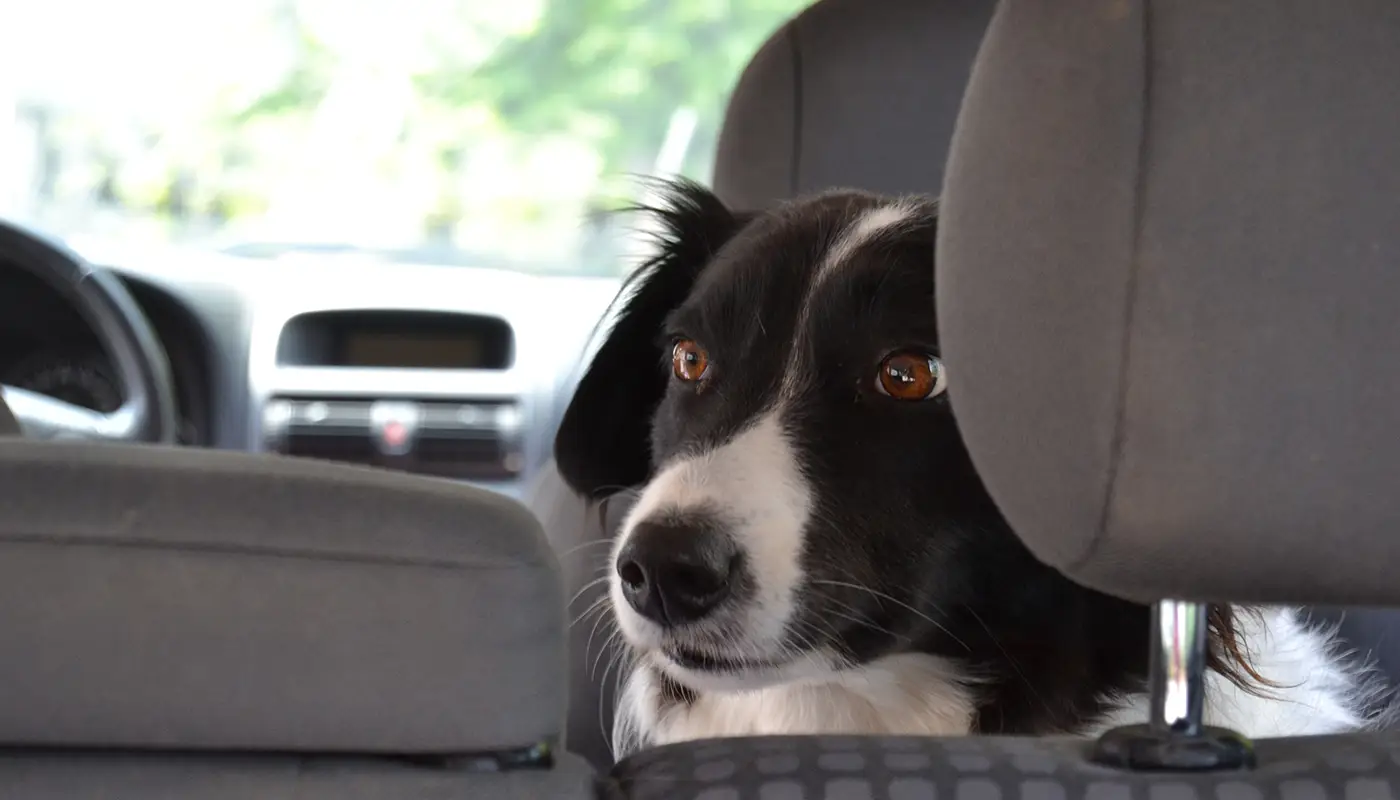
Travelling with your dog by car: a complete guide
Your dog is part of the family — so it’s only natural to want them with you on the road. But a great travel companion doesn’t appear overnight. Getting your dog comfortable in the car takes patience, the right approach, and an understanding of how dogs actually experience car travel.
Here’s everything you need to know, from the very first introduction to long road trips.
The first encounter
Some dogs jump straight into the back seat as though they’ve been doing it their whole lives. Others need gentle encouragement. A few find the whole experience genuinely overwhelming — and that’s okay too.
According to VCA Animal Hospitals, many adult dogs develop anxiety or nausea during car travel simply because they haven’t been conditioned to it gradually. Dogs that only travel once or twice a year — usually to the vet — often associate the car with stressful experiences, which makes each subsequent trip harder.
The earlier you start, the better. Puppies adapt more readily than adult dogs, but even an older dog can learn to enjoy car travel with the right introduction.
The desensitisation process
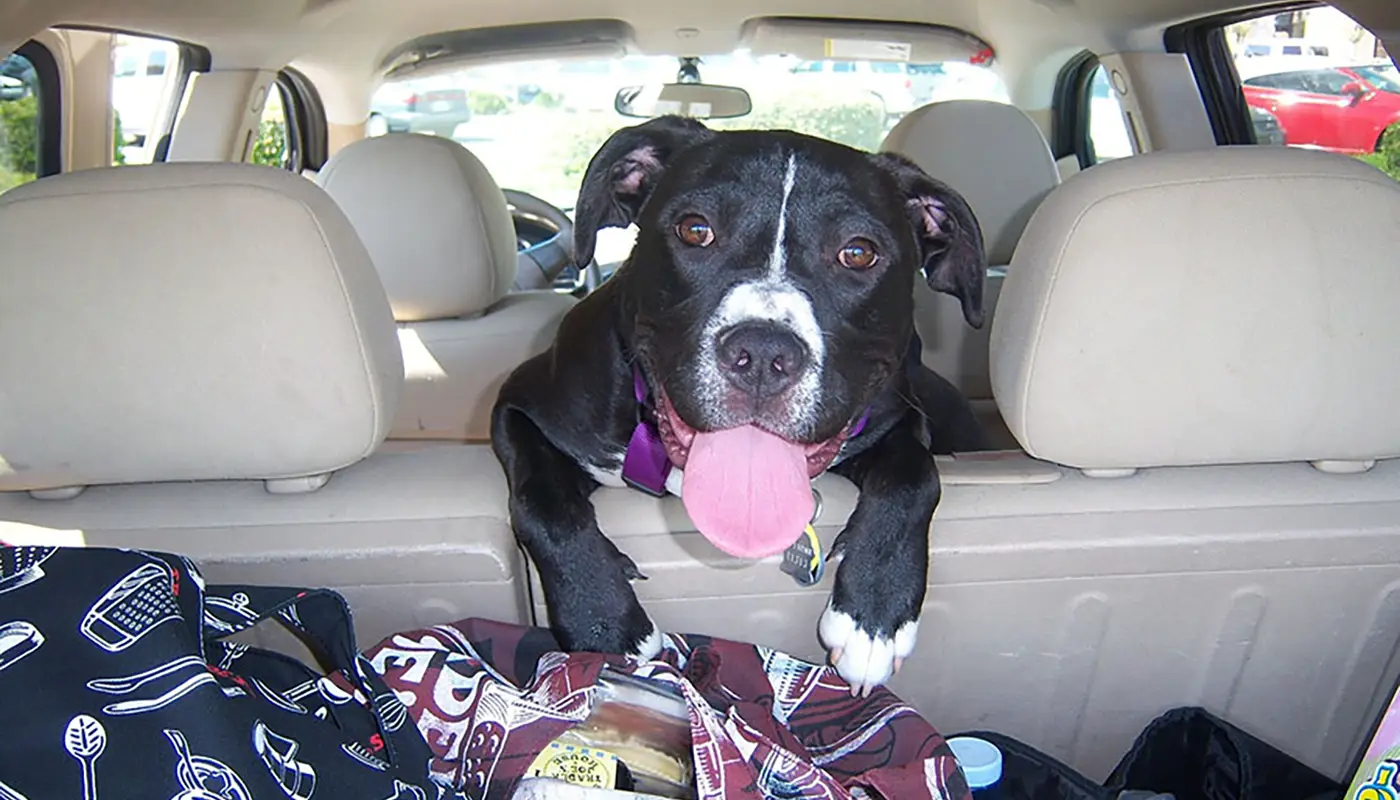
The goal is simple: build a positive association between your dog and the car, one small step at a time.
Step 1 – Near the car. Start a few metres away. Let your dog approach at their own pace. Reward calm behaviour with treats or a favourite toy. Don’t rush toward the door.
Step 2 – Inside the car, engine off. Once they’re comfortable approaching, invite them in. Sit with them. No destination needed — this is just about making the car feel safe. Keep the doors open initially. Treats and a calm voice go a long way.
Step 3 – Engine on, not moving. Let them get used to the sounds and vibrations of a running engine while still stationary. Again, reward calm behaviour.
Step 4 – Short trips. A lap of the neighbourhood. Then gradually further — always ending somewhere your dog enjoys, like a park or a beach. The destination matters to them. It signals that getting in the car leads to good things.
Repeat each stage as many times as needed. Some dogs move through this in days; others need weeks. Neither is wrong — every dog has their own pace and you should never force the process.
Their own space in the car
Just as dogs feel more secure having their own spot at home, they need a consistent, comfortable place in the car. Changing their position on every trip adds unnecessary uncertainty, particularly for dogs prone to anxiety.
A crate is the ideal solution — it provides a familiar, enclosed space that many dogs find genuinely calming. If space doesn’t allow for a crate, a well-fitted dog safety harness is a good alternative. It keeps your dog secure, reduces movement that contributes to nausea, and is far safer for both dog and driver in the event of sudden braking.
Motion sickness — what to know
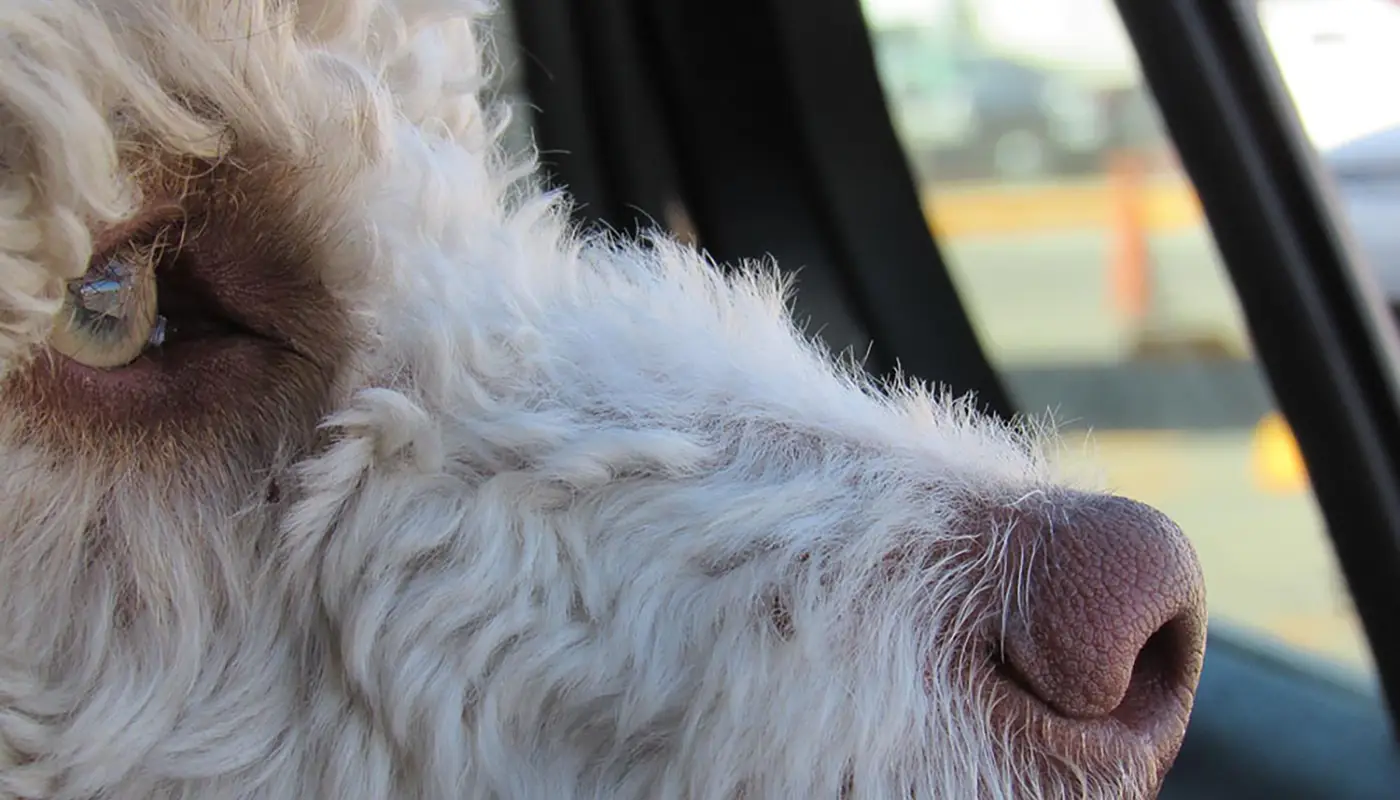
Car sickness in dogs is more common than most owners realise, particularly in puppies whose inner ear balance system is still developing. Many grow out of it; some don’t.
Signs to watch for include excessive drooling, lip-licking, yawning, restlessness, or vomiting. If your dog consistently shows these signs despite gradual desensitisation, speak to your vet. Maropitant citrate (Cerenia) is an FDA-approved veterinary medication specifically developed for motion sickness in dogs — effective, non-sedating, and available on prescription.
As a general rule: don’t feed your dog for at least two hours before a car journey, and avoid water immediately before departure. Keep the car cool and well-ventilated. Avoid playing loud music, driving aggressively, or raising your voice — your dog will pick up on all of it.
What to always have in the car
A practical checklist for travelling with your dog:
- Seat cover or large cotton towel for the back seat
- Paper towels and plastic bags
- Water and a portable bowl
- Their usual treats and a favourite toy
- A basic first aid kit
- Lead or harness
- ID tag with your current contact details
- Their health record / vaccination booklet
A few important rules
- Never leave your dog alone in a parked car, especially in warm weather. Temperatures inside a stationary car can become life-threatening within minutes, even on a mild day.
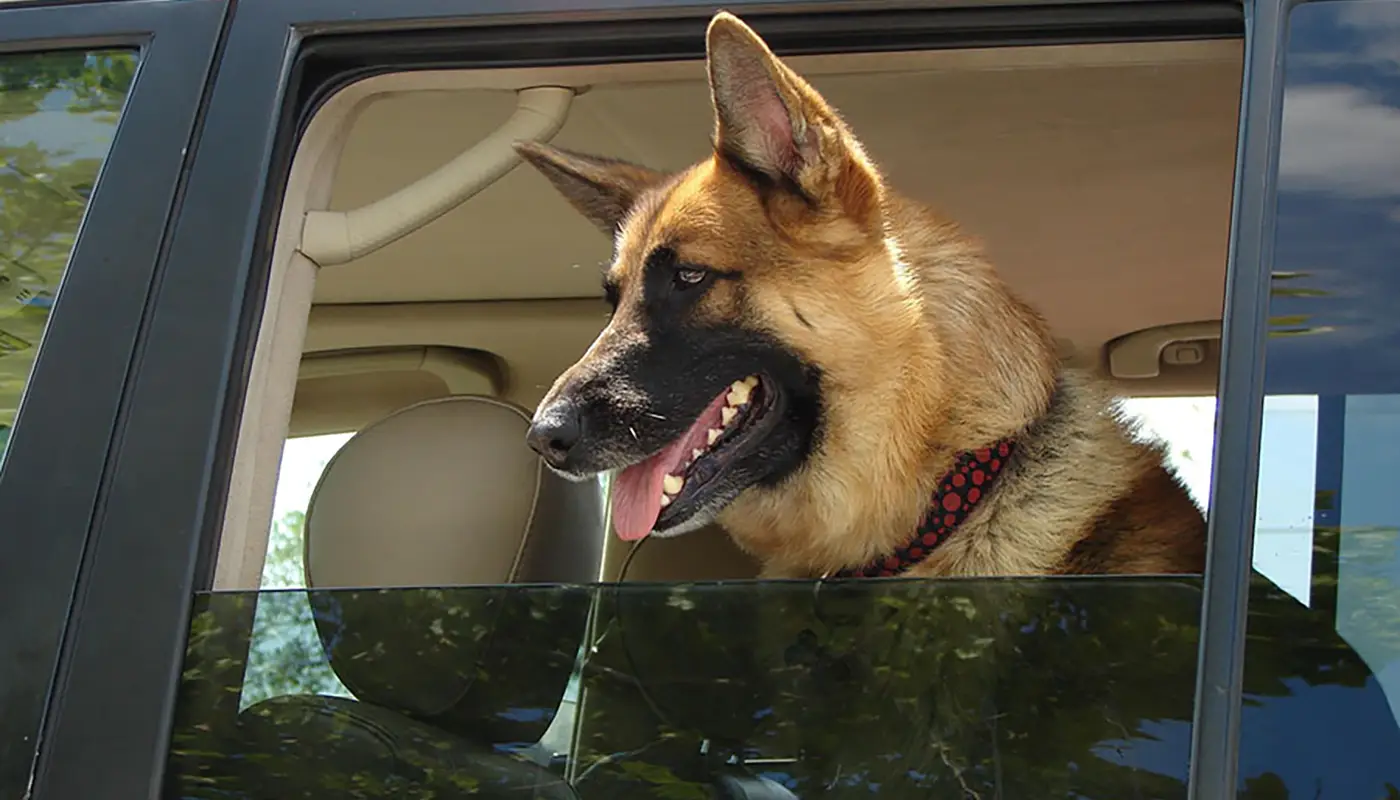
- Don’t let them hang their head out of the window. However much they seem to enjoy it, it poses real risks — debris, insects, and corneal injury are all genuine hazards.
- Deactivate the passenger airbag if your dog sits in the front seat.
- Take regular breaks on long journeys — every two to three hours gives your dog a chance to stretch, drink, and reset.
Not every destination will be their favourite
Dogs are perceptive. With time, many learn to read the signs of where a trip is heading — and if the vet or the groomer is the destination, they may show reluctance before you’ve even started the engine.
That’s normal. Don’t avoid those trips, but do make them less daunting: pair them with a short walk before you leave, bring their favourite treats, and if possible, stop somewhere enjoyable on the way back. The goal is to ensure the car never becomes exclusively associated with places they dislike.
With patience and consistency, most dogs come to genuinely love car travel — and there are few better road trip companions.