Skip to content

Common mistakes that hurt your dog – and how to fix them
No dog owner sets out to confuse their dog. But many of the things we do every day – out of habit, impatience, or simply not knowing better – send mixed signals that make a dog’s world harder to navigate.
The good news: most of these mistakes are easy to fix once you’re aware of them.
1. Calling your dog in an angry tone
“Come here – NOW.” Sound familiar? The problem isn’t the command, it’s what comes with it – a sharp tone, a tense posture, and often, an unpleasant outcome waiting at the end.
Dogs learn through association. If “come” reliably leads to a bath they hate, a telling-off, or the end of a walk, they’ll start to avoid it. The recall command is one of the most important things a dog can learn – and it only works if coming to you always feels worth it.
Make every recall a positive experience. Use a warm, upbeat tone. Reward generously every single time – a treat, a game, a good scratch. And never, under any circumstances, punish a dog that has just come to you, even if they took twenty minutes to arrive. The behaviour you’re reinforcing is the coming, not the timing.
2. Allowing jumping – but only sometimes
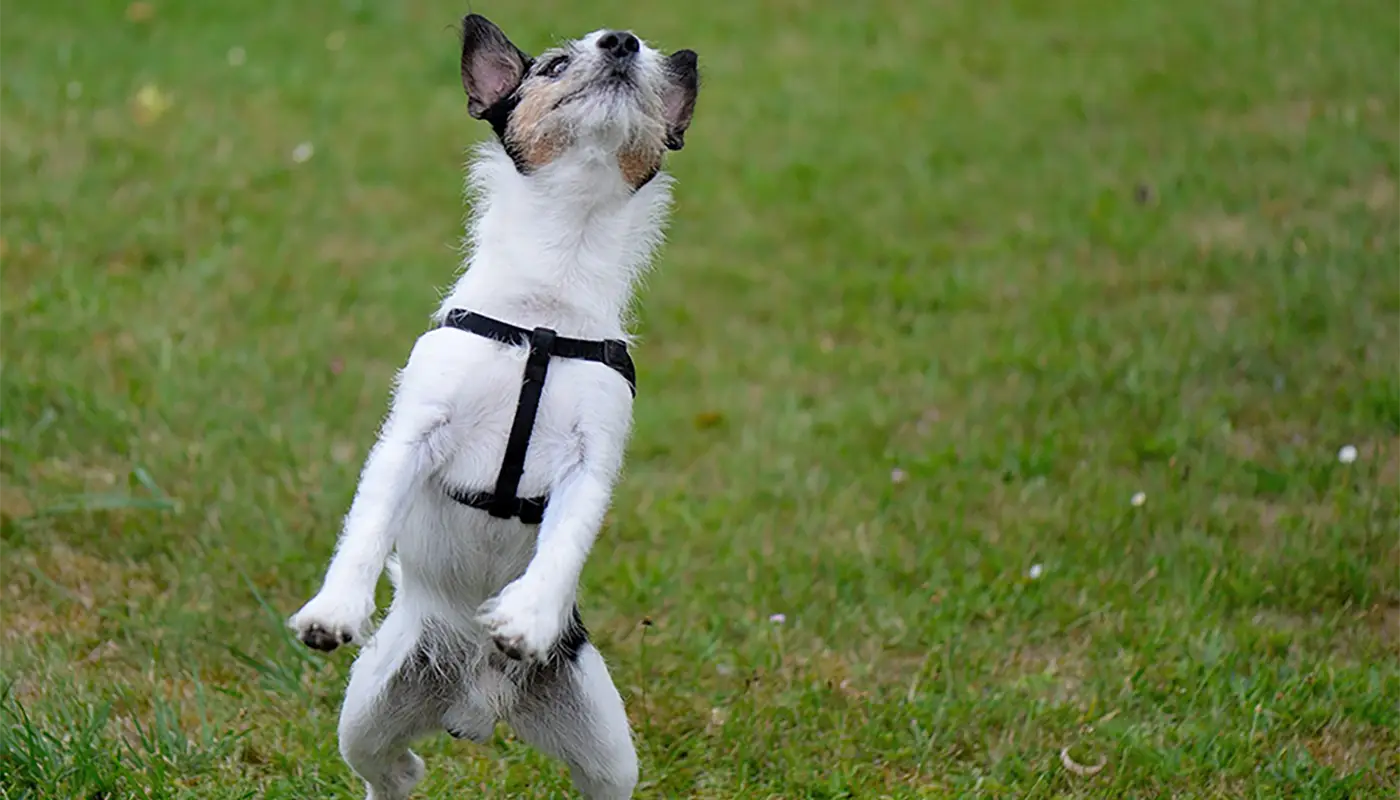
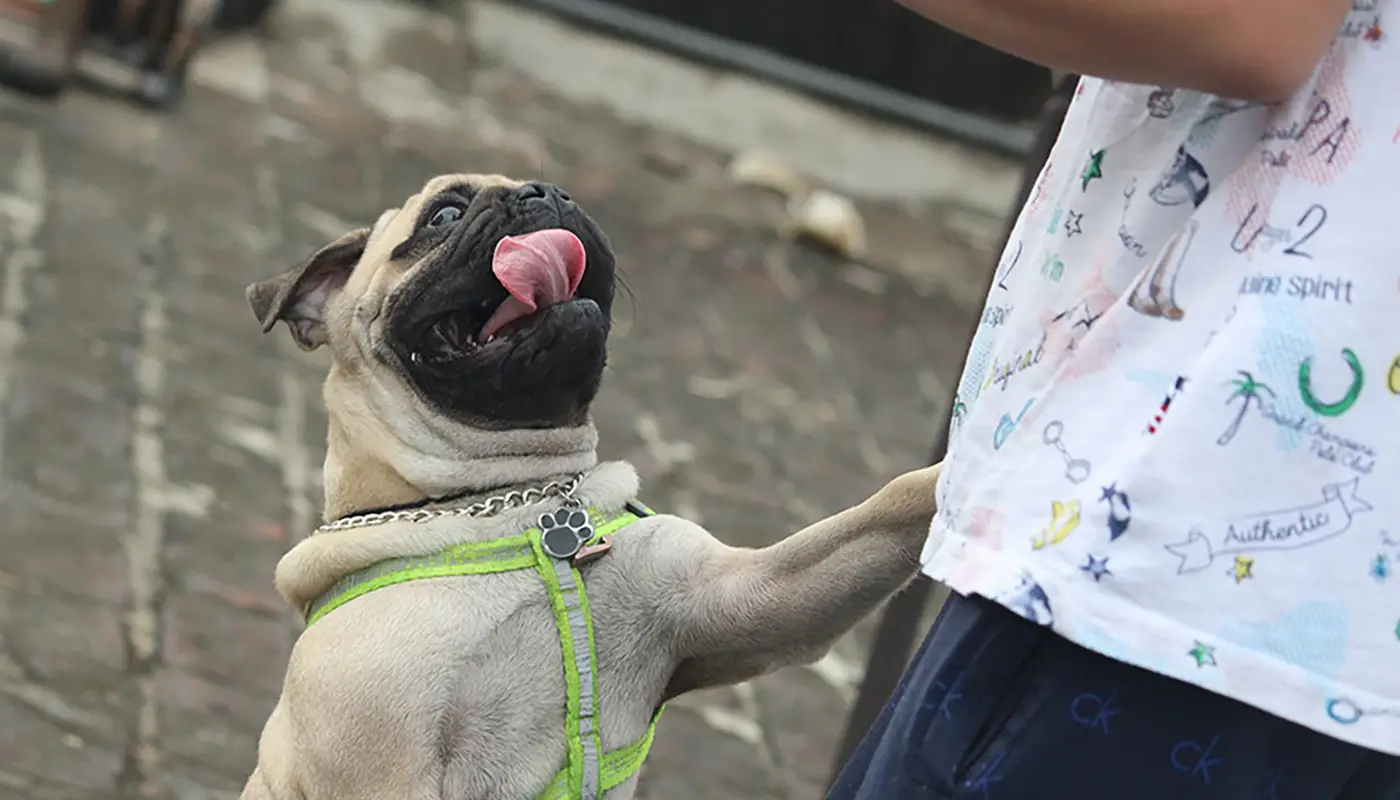
If you don’t want your dog jumping on guests, you have to stop allowing it with everyone. Dogs cannot distinguish between the friend who finds it charming and the elderly visitor who might be knocked over. The rule needs to be consistent across all people, all situations, all the time.
If the behaviour is already established, the most effective approach is withdrawal of attention. Ask guests to turn away calmly when your dog jumps – no eye contact, no pushing them away (which reads as play), no reaction at all. The moment they have all four paws on the ground, reward that immediately.
3. Punishing toilet accidents after the fact
Walking in to find a mess and reacting with anger teaches your dog nothing useful – except perhaps to be afraid of you, or to find better hiding spots next time. Dogs don’t connect a punishment to something that happened minutes or hours ago.
Successful toilet training depends on prevention and timing. Watch for the signs – circling, sniffing, squatting – and get outside immediately. Reward generously the moment they go in the right place. If you miss it, clean it up without drama and do better next time.
4. Using the crate as punishment
The crate should be your dog’s safe space – somewhere they choose to go, not somewhere they’re sent as a consequence. If you use it punitively, you undermine its entire value. A dog that’s been crated as punishment will resist going in, making it useless for the very situations where it could genuinely help.
Build a positive association with the crate from the start: feed meals inside it, leave favourite toys in it, never use it as a threat.
5. Reacting to excessive barking
Shouting at a barking dog, pushing them away, or giving them attention – even negative attention – reinforces the behaviour. From the dog’s perspective, barking produced a response, which means barking works.
The most effective approach is consistent non-reaction. Turn away. Leave the room if necessary. Reward the moment silence returns. It feels counterintuitive, but ignoring unwanted behaviour and rewarding its absence is exactly how positive reinforcement training works.
6. Giving in to begging at the table
Those eyes are hard to resist. But if your dog has learned that persistent begging at the table sometimes produces results, they’ll keep doing it – because sometimes is enough. In behavioural terms, intermittent reinforcement is actually harder to extinguish than consistent reinforcement.
The rule has to be absolute: nothing from the table, ever, during meals. You can give appropriate treats separately, in their own bowl, at another time. That’s not withholding affection – it’s teaching clear boundaries that make life more predictable for everyone.
7. Not providing enough exercise and play
Many of the most common behavioural problems in dogs — destructiveness, excessive barking, hyperactivity, anxiety – have a straightforward root cause: unspent energy. Dogs need physical and mental stimulation appropriate to their breed, age, and temperament. Without it, they find their own outlets, and those outlets rarely suit their owners.
If your dog has started running circuits around the house or chewing things they shouldn’t, read it as information: they need more. A tired dog is, almost universally, a well-behaved dog.
8. Treating treats as a permanent requirement
Using a treat to lure a dog into a new behaviour is a valid starting point. But if the treat never gets phased out, you’ve trained a dog that only performs for food – not one that listens because they want to engage with you.
Research consistently shows that reward-based training produces better outcomes than punishment-based approaches – but the reward doesn’t have to be food forever. As a behaviour becomes reliable, shift to praise, play, or simply the satisfaction of your engagement. The relationship becomes the reward.
9. Giving old shoes or socks to chew
Dogs don’t understand the concept of “old” versus “new.” If an old shoe is acceptable to chew, then all shoes are acceptable to chew – because from their perspective, it’s all the same object. When your new trainers end up destroyed, they’re not being defiant. They’re following the rule you taught them.
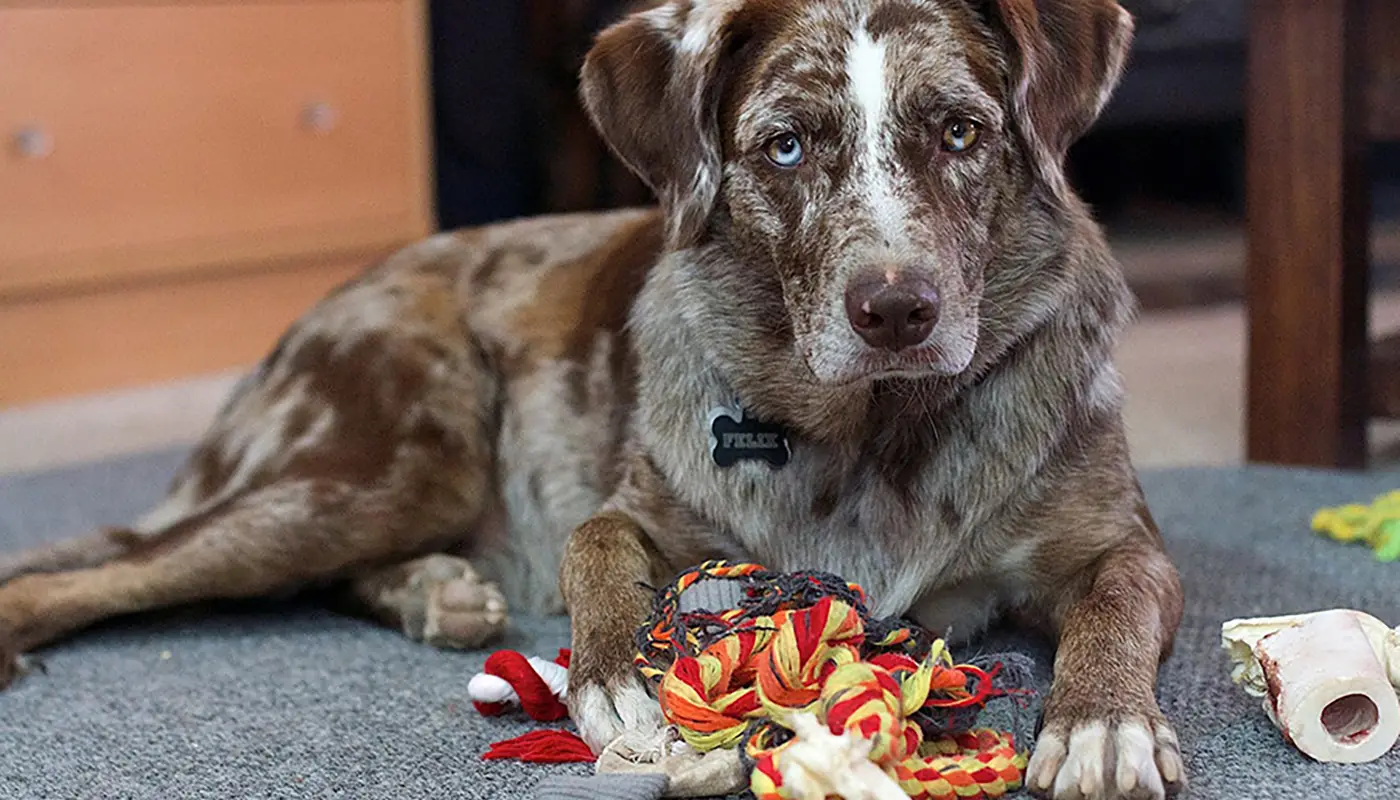
Provide appropriate chew toys – dogs have a genuine need to chew, not just a preference – and redirect consistently. When they chew something they shouldn’t, calmly interrupt and offer an alternative. Reward the moment they engage with the right object.
10. Letting puppies bite during play
A puppy nipping at your fingers feels harmless – even cute. It stops feeling cute when they’re fully grown. And if they play-bite with a child in the same way, the consequences can be serious.
The rule applies from day one: no biting during play, with anyone. If teeth touch skin, stop the game immediately and walk away. Repeat consistently. According to professional trainers, bite inhibition is one of the most important skills a dog can develop – and it has to be taught early.
11. Punishing growling
Growling is communication. When a dog growls, they’re telling you something is making them uncomfortable — they’re afraid, or they feel threatened. Punishing that communication doesn’t remove the discomfort; it removes the warning signal.
A dog that has been repeatedly punished for growling is more likely to bite without warning, because they’ve learned that expressing their distress leads to a bad outcome. Instead, when your dog growls, calmly remove them from whatever situation is causing the distress. Then address the underlying cause.
The common thread through all of these mistakes is consistency and clarity. Dogs aren’t being difficult – they’re doing their best to make sense of the signals we send them. When those signals are clear and consistent, they thrive.